Natural Sources of Nutrients and Vitamins
Understanding the composition and nutritional value of everyday foods
Educational content only. No promises of outcomes.
Nutrient Basics Explained
Nutrients are substances found in food that our bodies use to perform essential functions. They include vitamins, minerals, carbohydrates, proteins, fats, and water. Each nutrient plays specific roles in maintaining bodily functions, supporting energy production, and facilitating biochemical processes.
Vitamins are organic compounds that help regulate metabolic processes, support immune function, and act as antioxidants. Minerals are inorganic elements that support bone health, nerve function, and muscle contraction. Understanding where these nutrients come from in natural foods helps people make informed choices about their diet.
Different foods contain varying amounts of different nutrients. For example, some foods are rich in specific vitamins, while others provide abundant minerals. This diversity in natural food sources allows for varied dietary approaches that can meet different nutritional needs.
Vitamins in Natural Foods
Vitamins are classified into two categories: fat-soluble and water-soluble. Fat-soluble vitamins (A, D, E, K) are stored in body fat and can accumulate over time. Water-soluble vitamins (B complex, C) are not stored and must be consumed regularly through diet.
Common Vitamins and Food Sources
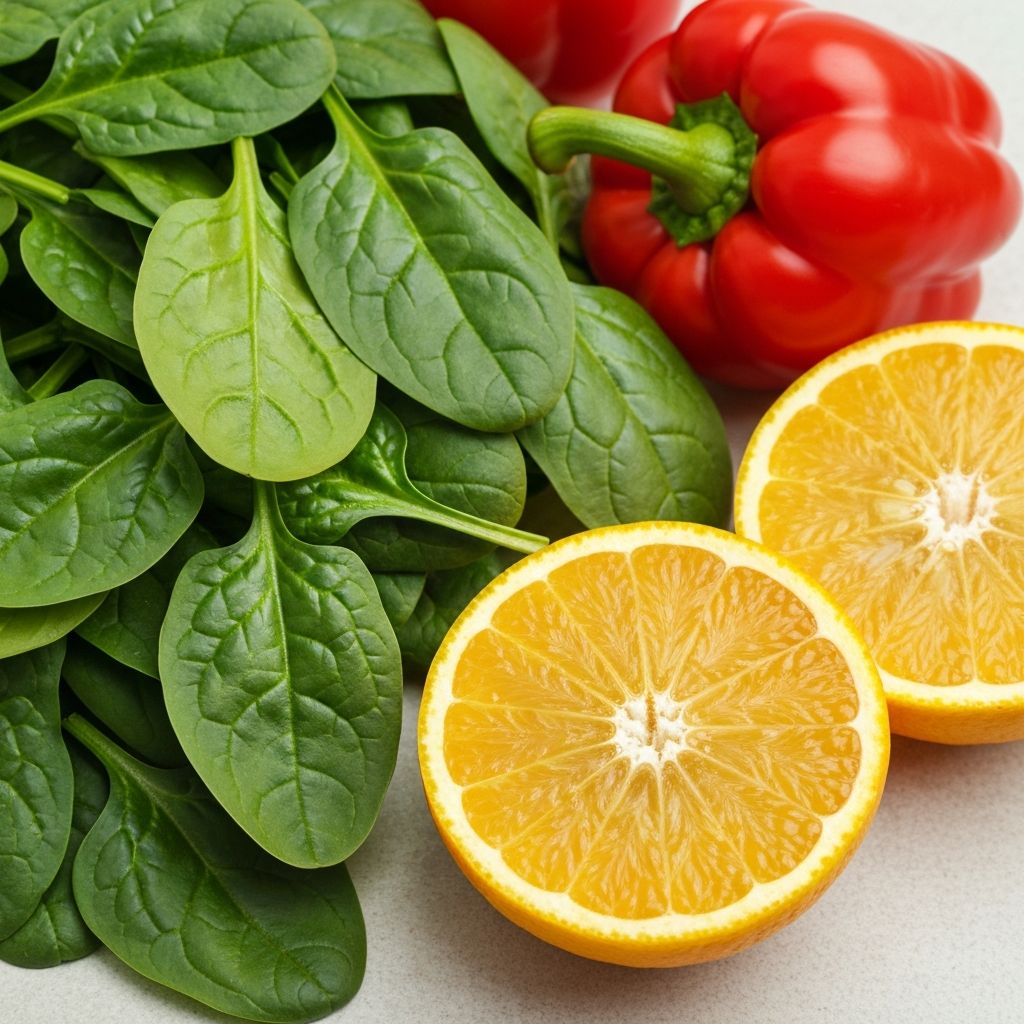
- Vitamin A: Found in orange and yellow vegetables, leafy greens, and tropical fruits
- Vitamin C: Abundant in citrus fruits, peppers, and leafy greens
- B Vitamins: Present in whole grains, legumes, leafy greens, and seeds
- Vitamin E: Contained in nuts, seeds, and vegetable oils
- Vitamin K: Found in cruciferous vegetables and leafy greens
Each food source provides different nutrient profiles. A varied diet including different types of foods ensures a broad spectrum of vitamins and minerals from natural sources.
Key Natural Products Overview
Explore detailed information about nutrient-rich natural foods commonly available in regional markets.
Mangoes
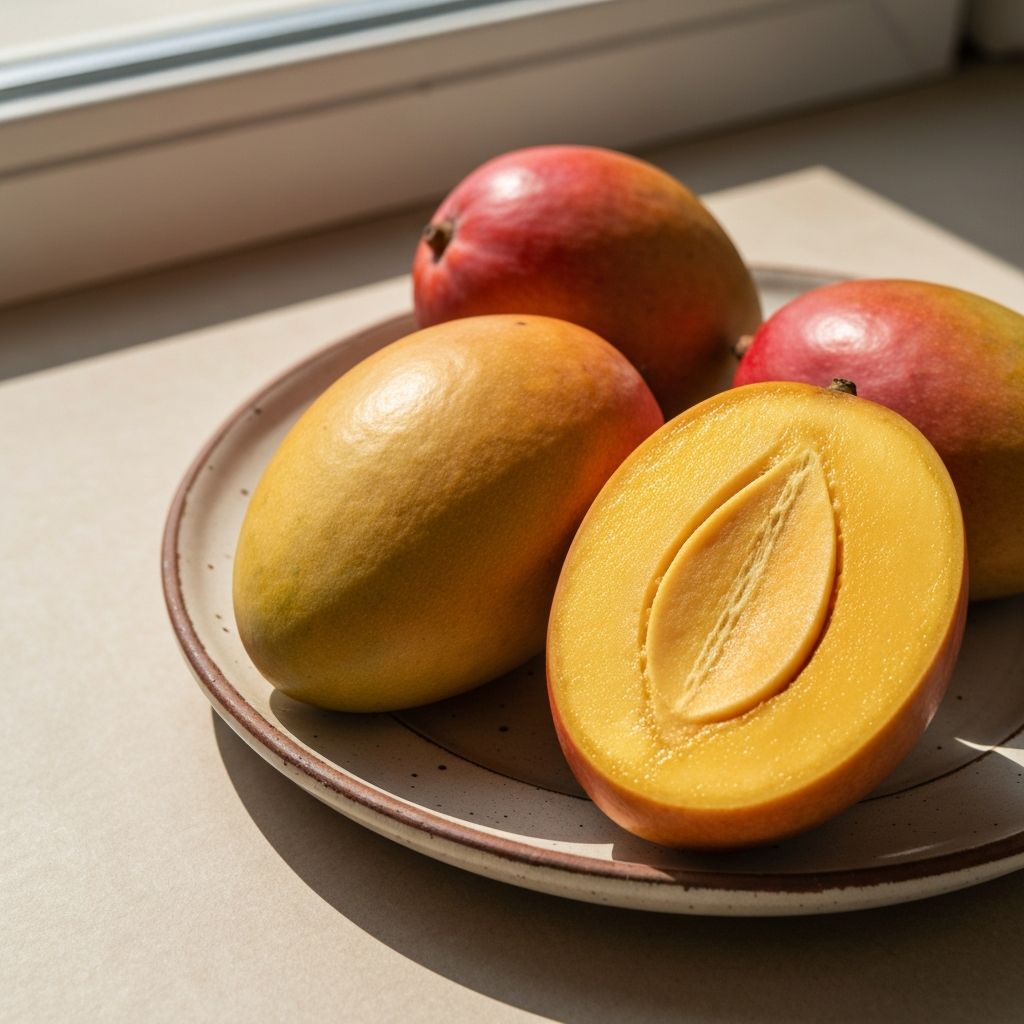
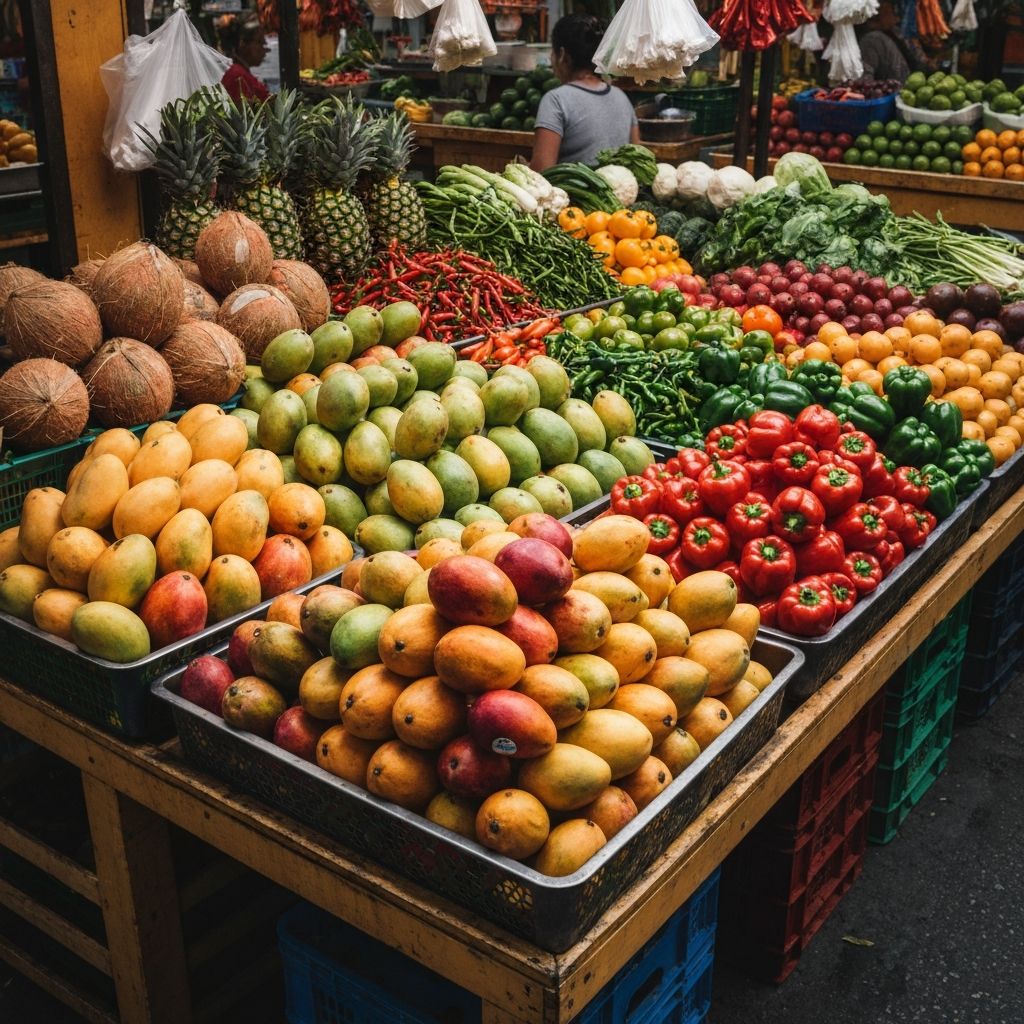
Mangoes are tropical fruits rich in Vitamin A, C, and fiber. They contain beta-carotene, which converts to Vitamin A in the body. These fruits also provide potassium and antioxidants that support various bodily functions.
Explore details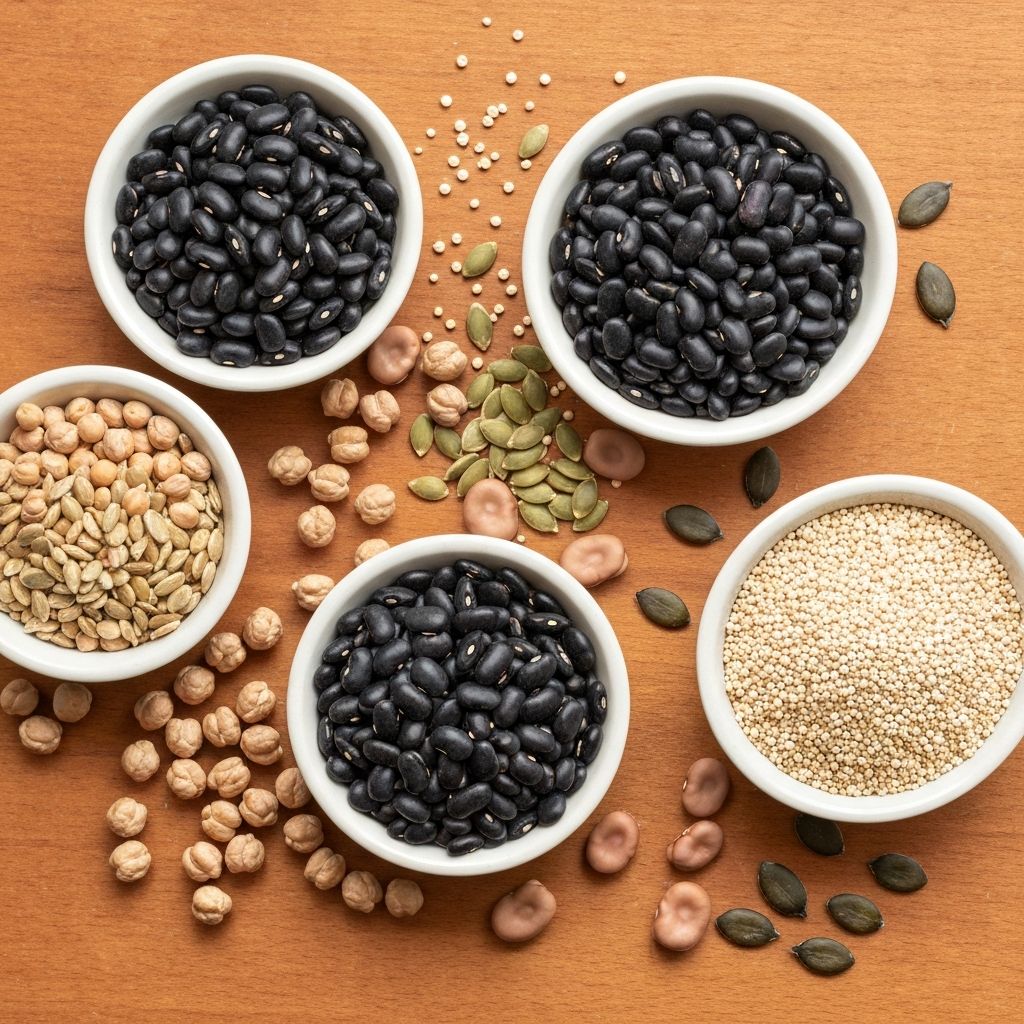
Black Beans & Quinoa
Black beans are legumes packed with protein, fiber, and minerals including iron and zinc. Quinoa is a complete protein containing all essential amino acids. Together, they provide substantial amounts of B vitamins and micronutrients.
View composition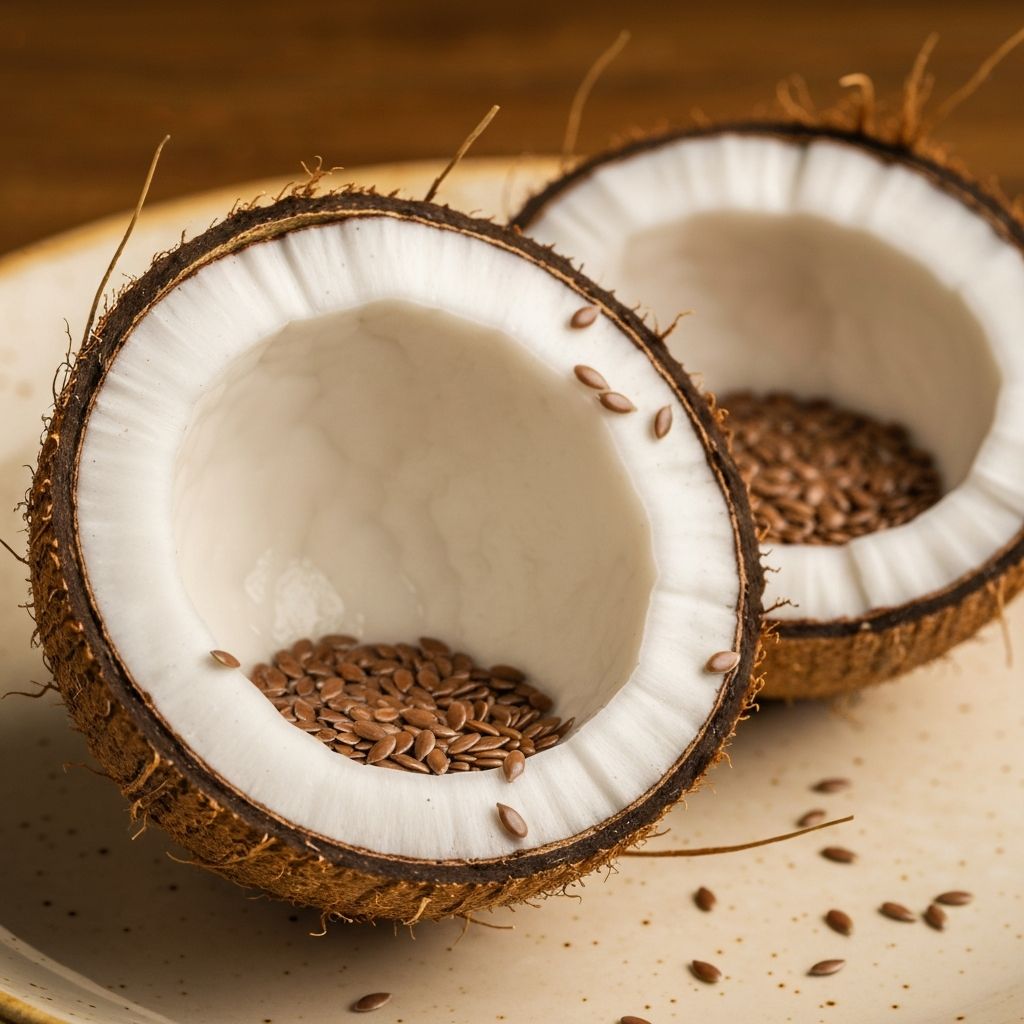
Coconut & Flax Seeds
Coconuts provide minerals, healthy fats, and fiber. Flax seeds are rich in omega-3 fatty acids, lignans, and fiber. Both foods contain valuable micronutrients and compounds that support various biological processes.
Learn moreMinerals from Everyday Sources
Minerals are essential inorganic elements needed for various bodily functions. They support bone structure, enable nerve transmission, regulate muscle contraction, and participate in enzyme reactions.
Important Minerals and Their Sources
- Iron: Found in legumes, seeds, leafy greens, and whole grains
- Calcium: Present in leafy greens, seeds, and legumes
- Magnesium: Abundant in seeds, nuts, leafy greens, and whole grains
- Potassium: Found in fruits, legumes, and vegetables
- Zinc: Present in seeds, legumes, nuts, and whole grains
- Selenium: Contained in seeds and nuts
Different regions and climates produce foods with varying mineral concentrations due to soil composition. This regional diversity in mineral content makes it valuable to understand local food sources.
Role of Antioxidants in Diet
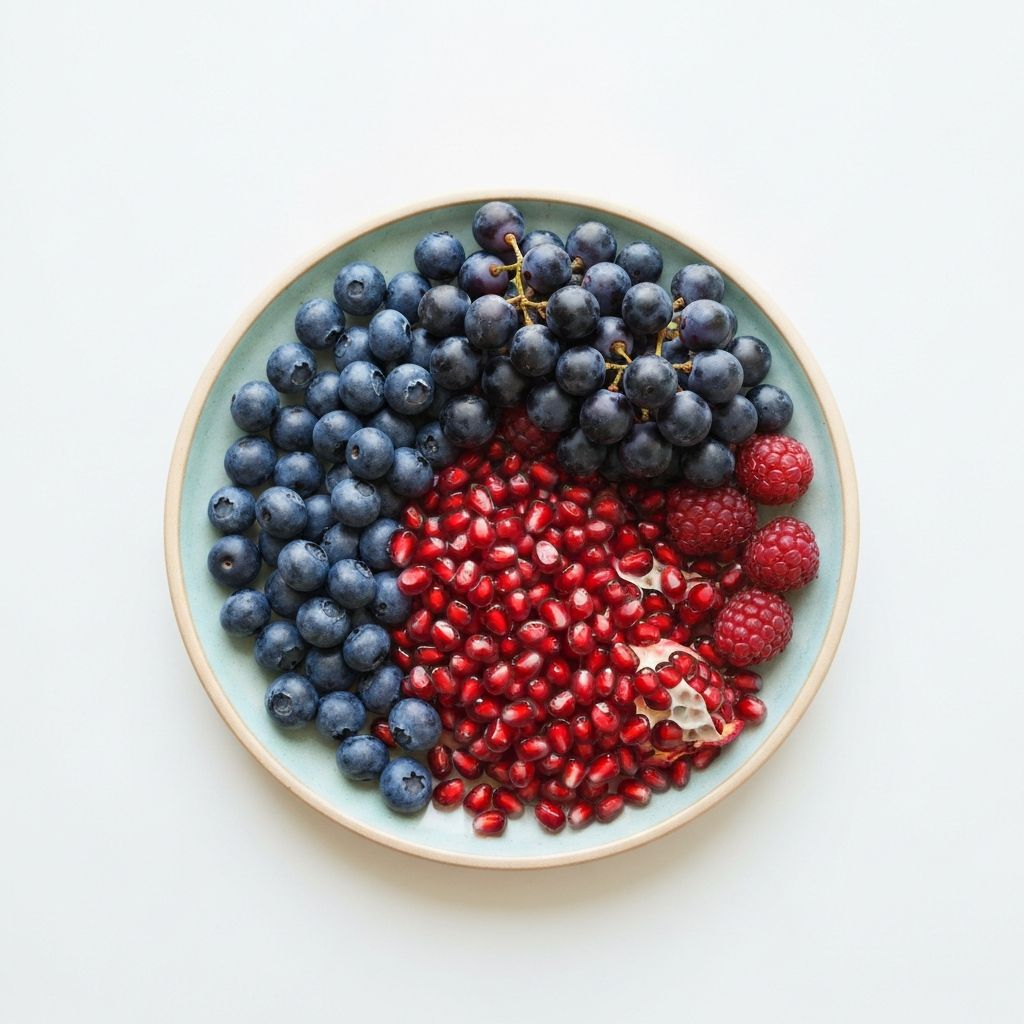
Antioxidants are compounds that play a role in various biochemical processes. They are found in many plant-based foods and include vitamins C and E, carotenoids, polyphenols, and other plant compounds.
Different foods contain different types of antioxidant compounds. For example, berries contain anthocyanins, nuts contain polyphenols, and citrus fruits contain vitamin C. Understanding the variety of antioxidant-containing foods can help inform dietary diversity.
The concentration of these compounds varies depending on the food source, growing conditions, and ripeness. Scientific literature documents the presence of these compounds in various natural foods, supporting nutritional education about food composition.
Read more on antioxidantsSeeds and Their Nutrients
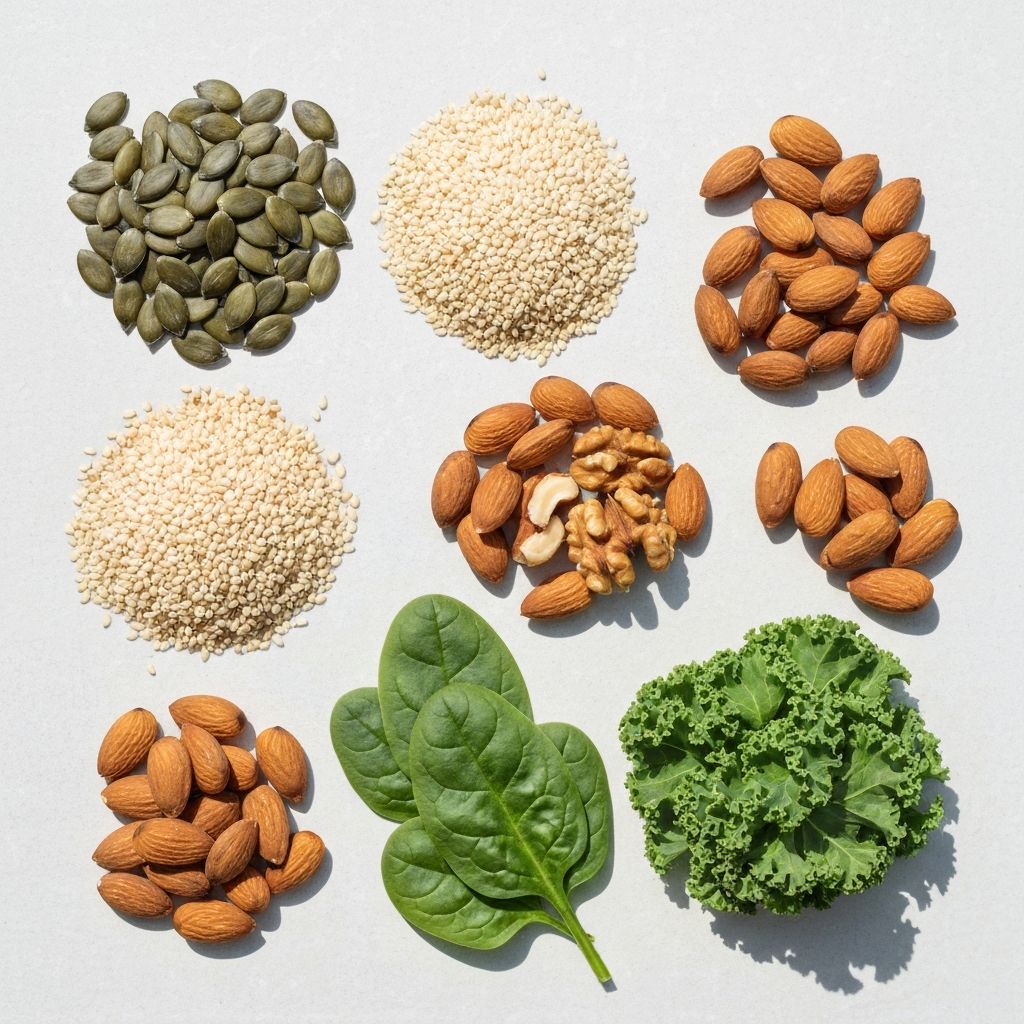
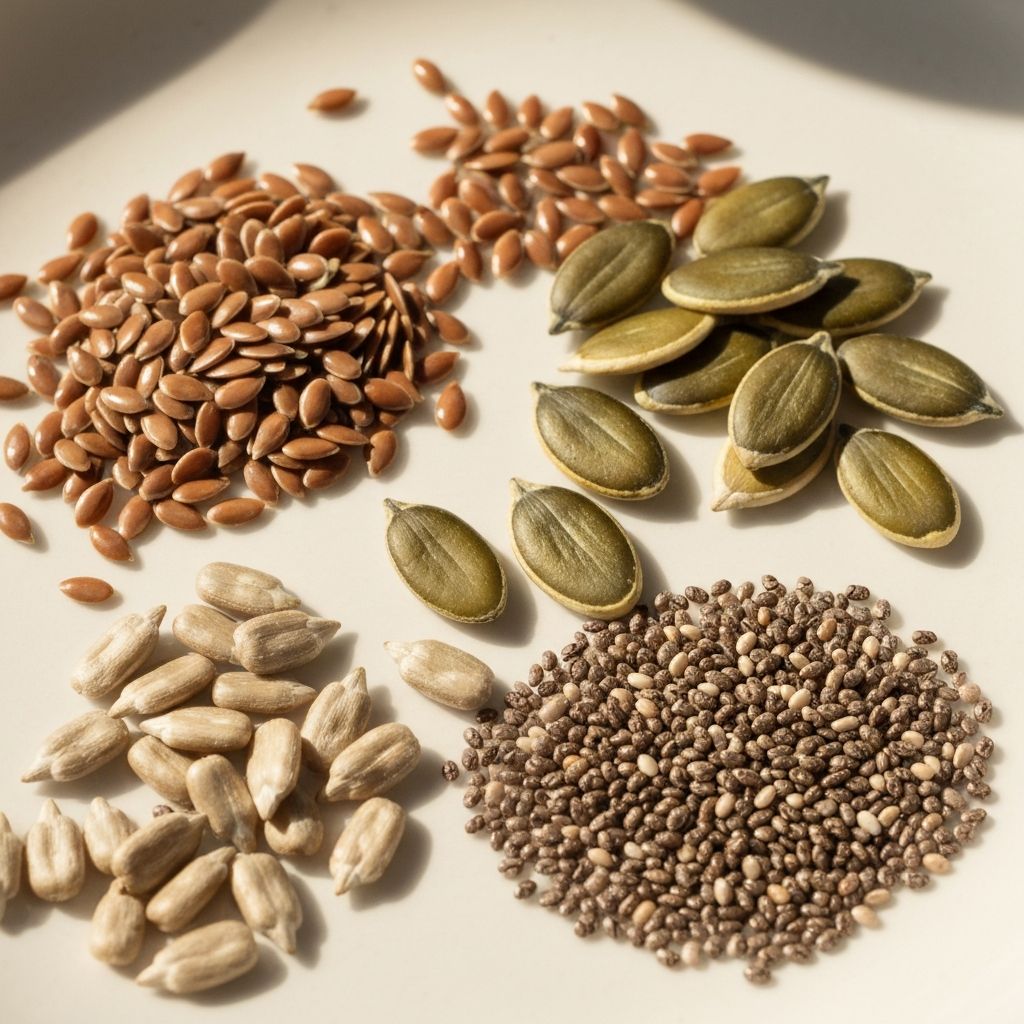
Seeds are nutrient-dense foods that contain the genetic material for plant growth. This makes them exceptionally rich in various nutrients and bioactive compounds.
Common Seed Types and Their Composition
- Flax Seeds: High in omega-3 fatty acids, lignans, and fiber
- Pumpkin Seeds: Rich in zinc, magnesium, and polyunsaturated fats
- Sunflower Seeds: Contain Vitamin E, selenium, and manganese
- Sesame Seeds: Provide calcium, iron, and other minerals
- Chia Seeds: Full of fiber, protein, and omega-3 fatty acids
Seeds can be consumed directly or incorporated into various dishes. Their nutrient profiles make them valuable components of diverse diets. Scientific analysis of seed composition continues to document their nutritional content.
Citrus Fruits Composition
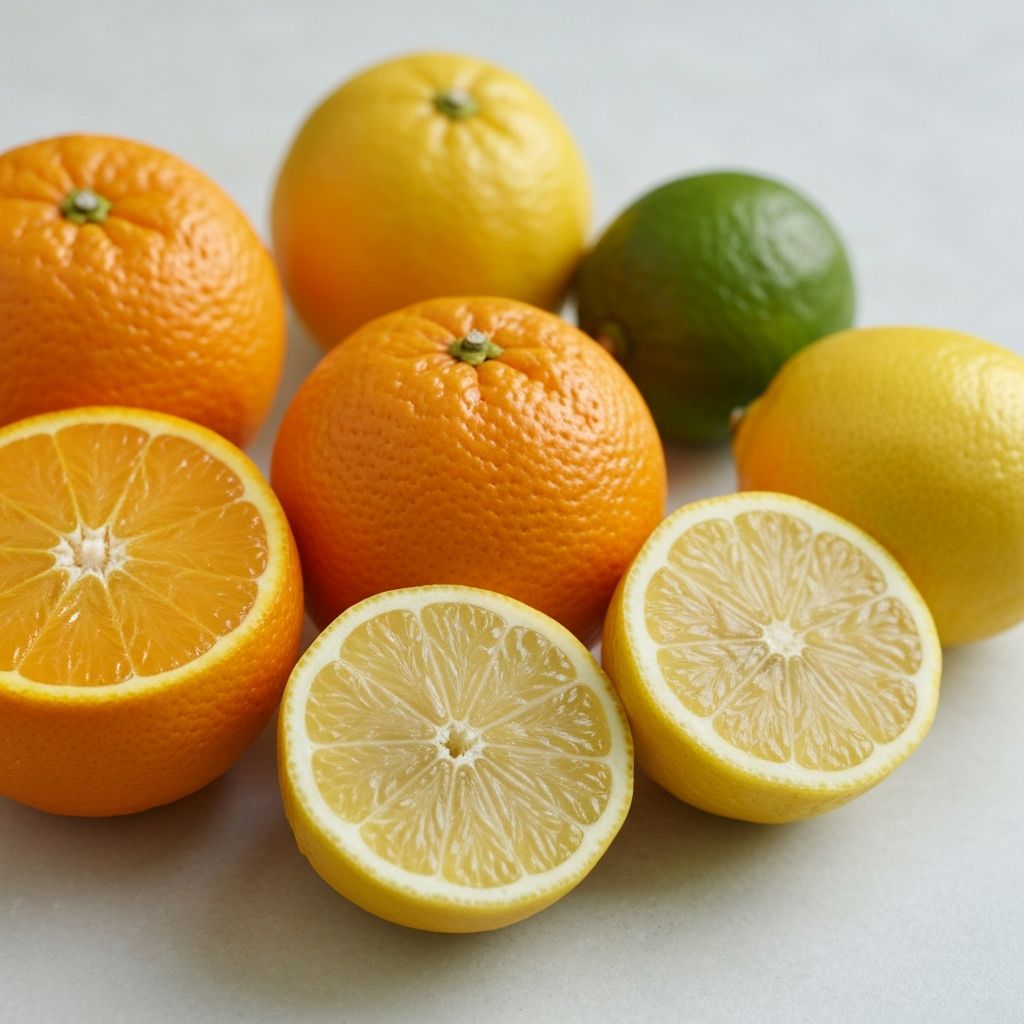
Citrus fruits are known for their high Vitamin C content. This family of fruits includes oranges, lemons, limes, grapefruits, and tangerines, each with slightly different nutrient profiles.
Nutrient Content of Citrus
- Vitamin C: Essential for various metabolic processes
- Fiber: Supports digestive function
- Potassium: Important for nerve and muscle function
- Flavonoids: Plant compounds studied for their biochemical roles
- Folate: Part of the B-vitamin complex
The flesh, peel, and segments of citrus fruits contain different nutrient densities. The flavor and aroma compounds in citrus are also areas of nutritional interest. These fruits are widely available in many regions and offer versatile uses in daily diet.
Common Nutrition Facts Clarified
This section addresses general questions about nutritional information that is commonly discussed:
Understanding Nutrient Density
Nutrient density refers to the amount of nutrients relative to the calories in a food. Some foods provide high amounts of nutrients with relatively fewer calories. Different foods have different nutrient profiles, which is why dietary variety is discussed in nutritional science.
Reading Nutritional Information
Nutritional labels provide information about the content of various nutrients. These labels show serving sizes, calories, and amounts of specific vitamins and minerals. Understanding how to read these labels can help people learn about the nutritional composition of different foods.
Food Combinations and Nutrient Availability
Some nutrients are better absorbed when consumed with certain other foods. For example, fat-soluble vitamins are absorbed more efficiently when consumed with dietary fats. Scientific research has documented various nutrient interaction patterns in foods.
Seasonal Variations
Seasonal foods often vary in nutrient content depending on growing conditions. Foods consumed in their natural season may have different nutrient levels compared to those grown in controlled environments. Regional agriculture produces foods with unique nutrient profiles based on soil and climate conditions.
Regional Food Variety Insights
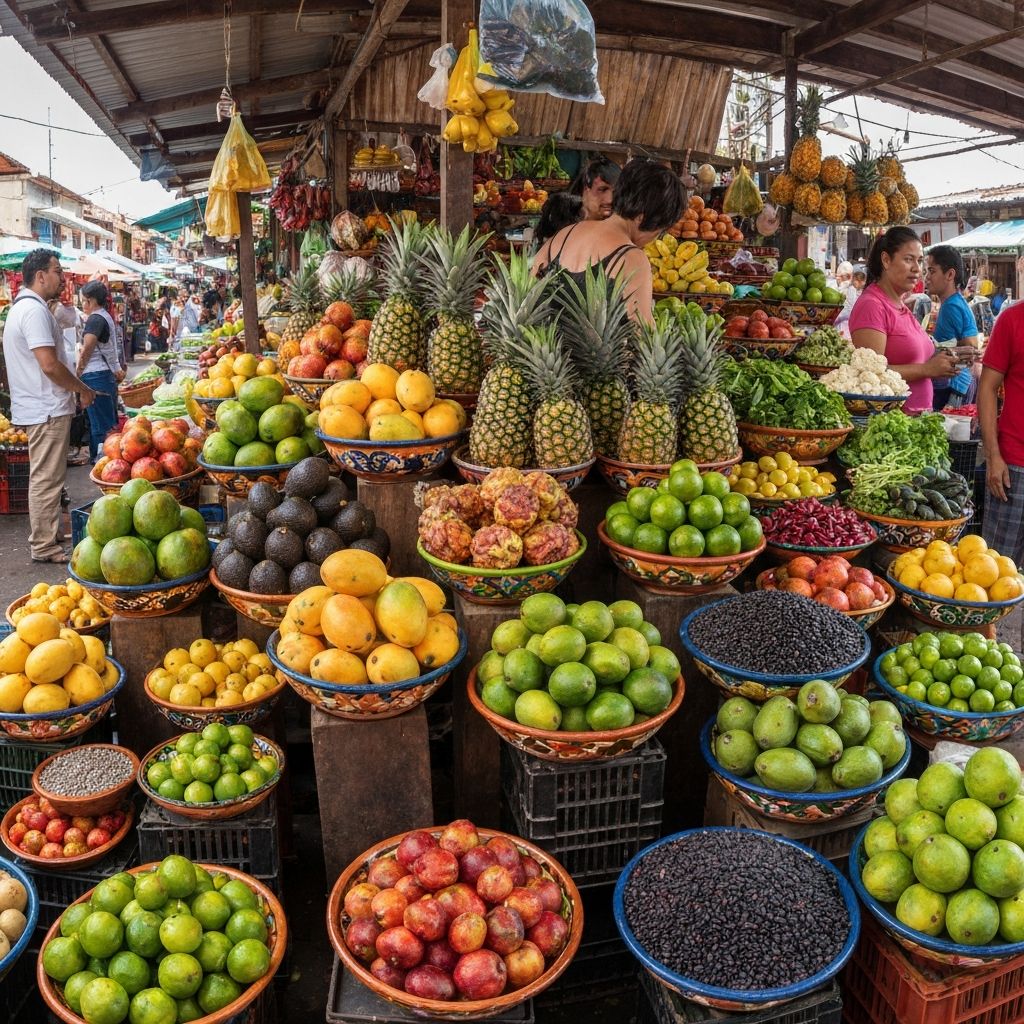
Latin America and Mexico have rich agricultural traditions with diverse food sources. The region produces many nutrient-rich foods that have been part of traditional diets for generations.
Regional Foods and Their Nutrients
- Mangoes: Cultivated widely in tropical regions
- Avocados: Native to Mexico with unique nutrient profiles
- Black Beans: Staple legume in regional cuisine
- Chiles and Peppers: Rich in vitamins and plant compounds
- Corn and Maize: Traditional grain with various nutrients
- Cacao: Source of various bioactive compounds
These foods reflect the agricultural heritage of the region and continue to be important in contemporary diets. Market availability of fresh, locally grown foods provides access to nutrient-rich options.
References and Data Sources
This educational resource compiles information from recognized scientific and nutritional databases. The following types of sources inform content about food composition:
Information Sources
- USDA FoodData Central: Comprehensive nutrient composition database
- WHO and International Nutritional Guidelines: Organization recommendations on nutrition
- Scientific Literature: Peer-reviewed studies on food composition and nutrients
- Regional Agricultural Data: Information about locally produced foods
- Nutritional Education Resources: Compiled educational materials about food nutrients
Data about food nutrient content continues to be refined through ongoing scientific analysis. This resource aims to present generally available information about natural food sources of vitamins and minerals in an educational context.
View full disclaimerContinue Learning
Explore more information about nutrition and natural food sources
Educational content only. No promises of outcomes. This website provides general information about nutrients in natural foods and is not intended to replace professional nutritional or medical advice.